Oct 16th 2025
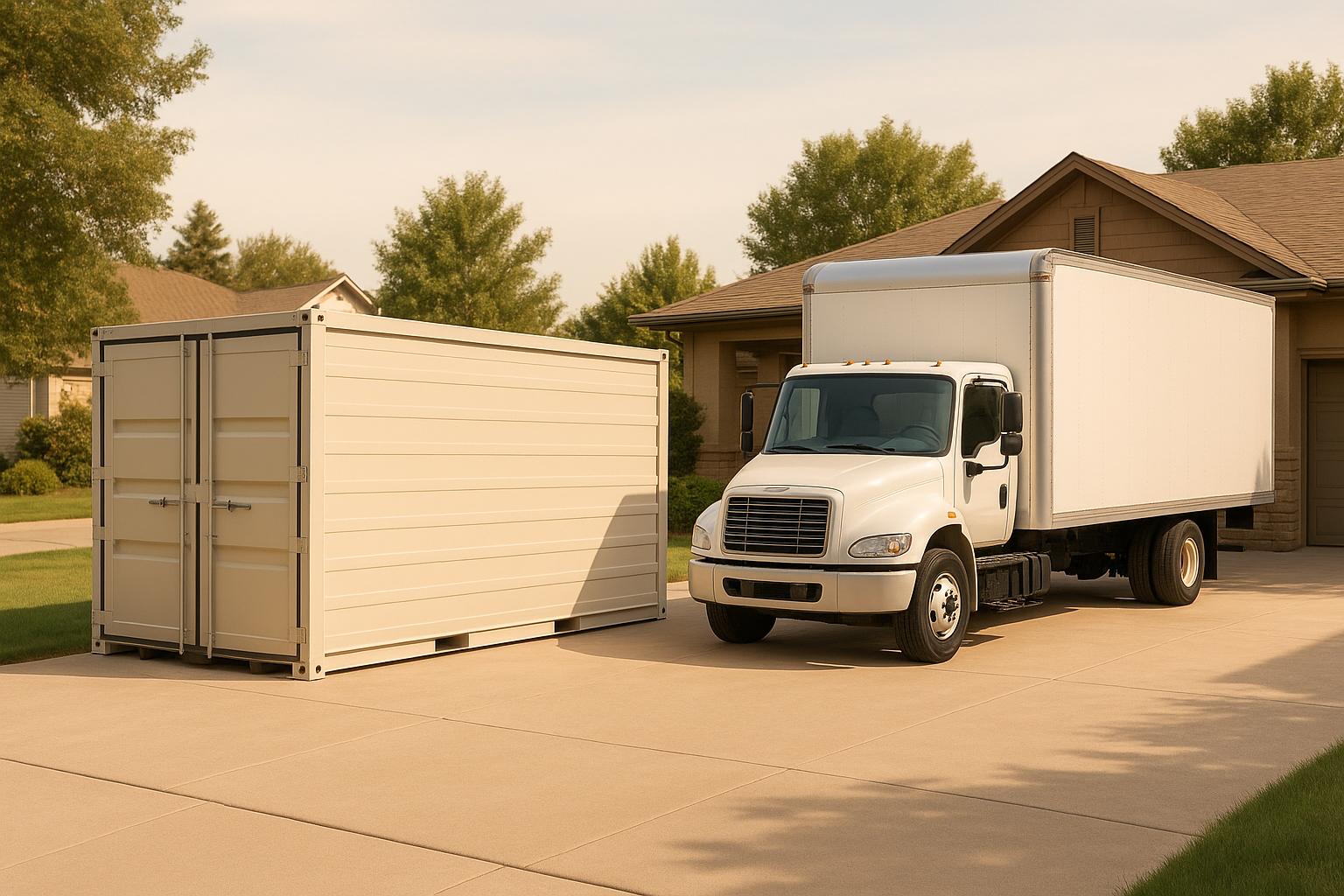
Portable Storage vs. Traditional Units for Long-Distance Moves
When planning a long-distance move, choosing the right storage option is critical. The two main options are portable storage containers and traditional storage units, each offering distinct benefits depending on your needs.
- Portable Storage Containers are delivered to your home, allowing you to pack at your own pace. They’re picked up and transported for you, minimizing physical effort. However, they’re usually more expensive and offer limited access once removed from your property.
- Traditional Storage Units are located at fixed facilities, typically with lower monthly costs and better security features like gated access and climate control. However, they require you to transport and handle your items multiple times, which can be time-consuming and physically demanding.
Key Factors to Consider:
- Cost: Containers include delivery/pickup fees; units have lower rental rates but add transportation costs.
- Convenience: Containers offer flexibility for packing; units require strict scheduling.
- Security: Units often provide better on-site security and climate control.
- Access: Containers have limited access after pickup; units offer more frequent access.
- Space: Units come in more size options, while containers are available in standard sizes.
- Local Rules: Containers may need permits or HOA approval, while units avoid these issues.
Quick Comparison
| Feature | Portable Storage Containers | Traditional Storage Units |
|---|---|---|
| Location | Delivered to your home | Fixed facility location |
| Transportation | Provider handles it | Customer handles it |
| Access During Storage | Limited after pickup | More frequent access |
| Cost | Higher monthly rates | Lower base rates, added costs |
| Security | Basic locks, secure storage sites | Gated access, cameras, alarms |
| Climate Control | Rare and costly | Readily available |
Bottom Line: Choose portable storage for convenience and flexibility, especially for short-term needs. Opt for storage units if you prioritize security, climate control, or long-term affordability.
Portable Storage Containers vs Storage Units: The Basics
When it comes to storing your belongings, it’s important to understand how portable storage containers and traditional storage units differ. Both options are designed to keep your items safe, but they work in distinct ways.
What Are Portable Storage Containers?
Portable storage containers bring storage right to your doorstep. Here’s how it works: you contact a provider, and they deliver a sturdy, weather-resistant container directly to your property. These containers come in standard sizes, offering plenty of space for your belongings.
Once the container arrives, you can pack it at your own pace. There’s no rush, and the container remains on-site until you’re ready to move. This approach eliminates the need for multiple trips back and forth to a storage facility.
When you’re done packing, the provider picks up the container and transports it either to your new home or to a secure storage facility. The beauty of this system is that your items are only handled twice - once when you load them and once when you unload them. This reduces the risk of damage, especially for fragile items.
What Are Storage Units?
Traditional storage units, on the other hand, are located at dedicated storage facilities. These facilities offer a variety of unit sizes, from small lockers to larger spaces, and often include options like climate control for sensitive items.
The main difference here is transportation. With storage units, you’re responsible for moving your belongings to and from the facility. This means multiple rounds of loading and unloading, which can be physically demanding and increases the chance of accidental damage.
Knowing these basics is the first step in deciding which option suits your needs. From here, you can weigh factors like cost, convenience, and security.
Side-by-Side Comparison
| Feature | Portable Storage Containers | Traditional Storage Units |
|---|---|---|
| Location | Delivered to your home | Fixed facility location |
| Transportation | Company handles pickup/delivery | Customer responsible |
| Loading/Unloading | Load once, unload once | Multiple loading cycles |
| Access During Storage | Limited (by appointment) | 24/7 or extended hours |
| Packing Timeline | Flexible - container stays on-site | Must complete within rental period |
| Physical Effort | Minimal transportation effort | High transportation effort |
Now that you have the basics down, let’s dive into the factors that influence your decision.
Key Factors to Consider When Choosing Storage Options
Deciding between portable storage containers and traditional storage units for a long-distance move involves evaluating several important factors. Each option has its own set of benefits and drawbacks, which can shape your moving experience and impact your budget. Here's a breakdown of the key considerations.
Cost Comparison
When it comes to cost, it's about more than just the monthly rental fee. Portable storage containers typically have higher monthly costs and include fees for delivery and pickup.
Traditional storage units often have lower base rental rates, but additional expenses can pile up. You'll likely need to budget for truck rentals, fuel, and possibly labor for repeated trips to the facility. If you require extras like climate control, those can add to the final bill as well.
Convenience and Flexibility
Portable storage containers shine in terms of convenience. These containers are delivered directly to your property, giving you the freedom to pack and load at your own pace. Whether you need a few days or a couple of weeks, you can work on your schedule without rushing to meet tight deadlines.
On the other hand, traditional storage units come with stricter time constraints. Facilities usually operate within set hours, and loading or unloading often has to be completed in one go. This can make the process more physically demanding and stressful, especially if you run into unexpected delays.
Access and Security
Security features vary depending on the option you choose. Traditional storage facilities often provide gated access, security cameras, on-site staff, and sometimes even alarms for individual units. These measures, along with regular patrols, offer peace of mind.
Portable containers rely on sturdy locks and are often stored in secure, fenced areas once picked up. However, accessing your items after the container is removed from your property can be more limited.
Another point to consider is climate control. Traditional storage units are more likely to offer this feature, which is crucial if you're storing delicate items like electronics, artwork, or documents.
Space and Size Options
Traditional storage units come in a wide range of sizes, from small lockers to large spaces that can accommodate an entire household's belongings. This variety allows you to choose a unit that aligns closely with your needs, often with flexible, month-to-month leasing options.
Portable storage containers, however, are available in only a few standard sizes. While these sizes are sufficient for most moves, needing extra space could mean renting additional containers, which increases costs. That said, their ground-level design makes loading and unloading easier compared to storage units located on upper floors.
Local Rules and Practical Considerations
Local regulations and property characteristics can also influence your decision. For example, many Homeowners' Associations limit how long portable containers can remain on driveways, and some cities require permits for containers placed on public streets or sidewalks. Permit fees vary depending on the location.
Your property's layout also plays a role. A narrow driveway or uneven terrain might make using a portable container impractical. In such cases, a traditional storage unit may be the better choice. Additionally, if maintaining curb appeal is a concern, you may want to avoid having a large container sitting in your driveway for an extended period.
Understanding these factors will help you make an informed decision that fits both your moving needs and your specific circumstances.
Pros and Cons: Portable Storage vs Storage Units
Choosing between portable storage containers and traditional storage units for a long-distance move can feel overwhelming. Understanding the advantages and limitations of each option is key to making the best choice for your needs. Here's a detailed comparison to help you weigh your options.
Complete Comparison Table
| Factor | Portable Storage Containers | Traditional Storage Units |
|---|---|---|
| Cost | Pros: Includes delivery and pickup in pricing Cons: Higher monthly rates; extra fees for multiple containers |
Pros: Lower base rental rates; flexible month-to-month terms Cons: Added costs for transportation and climate control |
| Convenience | Pros: Delivered directly to your location; no rush to pack; no facility hours to worry about Cons: May require permits or HOA approval |
Pros: Set facility hours for access Cons: Limited access times; packing and unpacking must be done quickly |
| Security | Pros: Basic locks included; some companies offer additional security options Cons: Limited access after pickup; fewer security features compared to facilities |
Pros: Gated facilities with cameras, staff, and individual unit alarms Cons: Shared facility risks; break-ins possible during off-hours |
| Space & Size | Pros: Ground-level loading; standard sizes fit most moves Cons: Limited size options; large moves may require multiple containers |
Pros: Wide size variety, from small lockers to large warehouse units Cons: Upper-floor units can be harder to access; availability may vary |
| Climate Control | Pros: Some providers offer climate-controlled containers Cons: Rare and often expensive |
Pros: Readily available and ideal for sensitive items Cons: Adds to monthly rental costs |
| Flexibility | Pros: Pack at your own pace; container stays on-site during loading Cons: Restrictions on placement; exposure to weather while packing |
Pros: Indoor storage protects from elements; established infrastructure Cons: Limited by facility schedules and potential wait times for access |
| Access | Pros: 24/7 access while on your property Cons: No access after pickup without prior arrangement |
Pros: Regular hours, with some facilities offering 24/7 access Cons: Requires travel to the facility for access |
This side-by-side comparison highlights the strengths and weaknesses of both options. Traditional storage units generally excel in security and climate control while keeping base costs lower. However, additional expenses for transportation and other services can add up quickly, especially for long-term storage or specialized needs.
On the other hand, portable storage containers shine when it comes to convenience and flexibility. They’re particularly useful if you need extra time to pack or prefer having the storage unit delivered directly to your location.
Ultimately, the right choice depends on your specific situation. In the next sections, we'll break down scenarios where each option works best, helping you make a well-informed decision for your long-distance move.
sbb-itb-be87134
When to Choose Each Storage Option
Choosing the right storage option can make your move smoother and less stressful. Your decision will largely depend on your specific needs, timeline, and priorities. Let’s break down when each option works best to help you save both time and money during your long-distance move.
Best Times to Use Portable Storage Containers
Portable storage containers are ideal when convenience and flexibility are your top priorities. They’re especially helpful if you’re juggling a hectic schedule or need extra time to organize your belongings.
If you’re making a cross-country move, like relocating from New York to California, and need a couple of weeks to pack while balancing work, portable containers are a lifesaver. Having one delivered to your driveway eliminates the hassle of multiple trips to a storage facility.
Another great use for portable containers is during home renovations. If you’re moving and updating your new home at the same time, these containers let you store furniture and other belongings on-site. This way, you can access your items whenever needed without the inconvenience of driving to a storage unit.
Temporary housing situations are another scenario where portable containers shine. For example, if you’re staying in a furnished apartment or with family while house hunting, keeping your belongings in a container provides easy, on-site access without the need for constant trips to a storage facility.
Even though portable containers typically have higher monthly rates, they can be more cost-effective for short-term storage needs (under 30 days). When you consider the time and gas saved from avoiding multiple trips to a facility, the added convenience often justifies the expense.
That said, traditional storage units offer distinct advantages in other situations.
Best Times to Use Storage Units
Traditional storage units are the better choice when security, climate control, and long-term affordability are your main concerns. They’re especially suited for storing specific types of belongings or for extended periods.
If you need storage for more than three months, traditional units tend to be more budget-friendly. While transporting your items to the facility might be less convenient initially, the lower monthly rates make a big difference over time.
For climate-sensitive items, like wooden furniture, electronics, important documents, artwork, or musical instruments, traditional storage units are almost a must. Many facilities offer climate-controlled units, which are crucial for protecting these belongings. While some portable container providers offer similar options, they’re rare and often come with a hefty price tag.
High-value items also benefit from the added security of traditional storage facilities. Features like gated access, security cameras, on-site staff, and individual unit alarms provide multiple layers of protection that portable containers can’t always match.
In densely populated urban areas, traditional storage units may be your only option. If you live in a downtown apartment or a condo with strict HOA rules, placing a large container on the property might not be allowed - or could require permits that delay your move.
Business relocations often require the larger unit sizes and specialized access that traditional storage facilities provide. If you’re moving office equipment, inventory, or large commercial items, the variety of unit sizes and loading docks at storage facilities can make the process much easier.
How ConsumersAdvisors.com Simplifies the Process

Choosing the right storage option during a long-distance move can feel overwhelming, but ConsumersAdvisors.com makes it easier. They connect you with vetted moving companies that offer both portable storage containers and traditional storage units as part of their comprehensive services.
The platform’s instant moving quotes include storage options, so you can easily compare costs for both containers and storage facilities without having to contact multiple companies. This feature helps you understand the total cost, including transportation fees, which are often overlooked when pricing storage options separately.
ConsumersAdvisors.com also provides expert reviews and detailed company profiles, making it simple to find movers who specialize in your specific storage needs. Whether you’re looking for climate-controlled storage for delicate items or flexible container delivery for a complex moving schedule, their database includes licensed movers with proven track records.
One standout feature is their customizable moving packages. Instead of choosing between portable containers or storage units independently, you can work with move coordinators to create a tailored solution. This approach combines different storage methods based on your timeline, budget, and what you’re storing.
Their dedicated move coordinators offer personalized advice, helping you estimate the storage space you’ll need, identify the most cost-effective option, and coordinate storage services directly with your moving package. This seamless integration reduces stress and eliminates common issues like timing conflicts or extra transportation costs that can arise when booking storage separately.
Conclusion
Choosing between portable containers and traditional storage units comes down to your specific timeline, budget, and storage requirements. Each option caters to different moving scenarios.
Portable containers are perfect for those who need the convenience of on-site packing and flexibility, especially for short-term storage. On the other hand, traditional storage units provide a secure and climate-controlled environment, making them a better fit for long-term storage needs. For example, if you're transporting fragile items across several states and require storage for months, a traditional unit might be the smarter choice. But if you're balancing a hectic schedule with a cross-country move in just a few weeks, portable containers can help simplify the process and ease the pressure.
FAQs
What should I keep in mind when choosing between portable storage containers and traditional storage units for a long-distance move?
When choosing between portable storage containers and traditional storage units for a long-distance move, it’s important to think about how you’ll need to access your belongings. Portable containers are great if you want to pack at your own speed and have the storage delivered directly to your new home. On the flip side, traditional storage units work better if you need frequent access or plan to store items long-term, especially since they often come with perks like climate control.
You’ll also want to weigh factors like cost, timeline, and safety. Portable containers can save you time and effort by cutting out extra trips, but traditional units typically offer better protection against weather and theft. Consider your budget, how long you’ll need storage, and whether you need a flexible moving schedule to figure out which option fits your needs best.
How do local rules and property features impact the choice between portable storage containers and traditional storage units?
Local rules and property details often influence the choice between portable storage containers and traditional storage units. In many towns and cities, you might need a permit to keep a portable container on your property - especially for extended periods. Zoning laws can also dictate where these containers can be placed or how big they’re allowed to be. For instance, some areas have restrictions about keeping containers too close to property lines or require adherence to specific building codes.
Beyond regulations, the characteristics of your property matter too. Factors like soil stability, driveway accessibility, and the amount of available space can determine whether a portable storage container is practical. On the flip side, traditional storage units are located in facilities that already comply with local codes, offering a more straightforward option for those who’d rather skip the hassle of permits or property limitations.
When is it better to choose portable storage containers over traditional storage units for a long-distance move?
Portable storage containers are an excellent option if you’re looking for flexibility during a move. Whether your timeline is uncertain or you need access to your belongings along the way, these containers offer unmatched convenience. Plus, with door-to-door service, the container can be delivered right to your new location, making the process even smoother.
On the other hand, traditional storage units shine when it comes to long-term storage needs. They’re especially useful if you require features like climate control to safeguard sensitive items. If having a fixed location to access your belongings at any time is important, traditional units are the way to go.
Portable containers work best for short-term, mobile needs, while traditional storage units are ideal for those seeking stability and added amenities for longer durations.