Nov 1st 2025
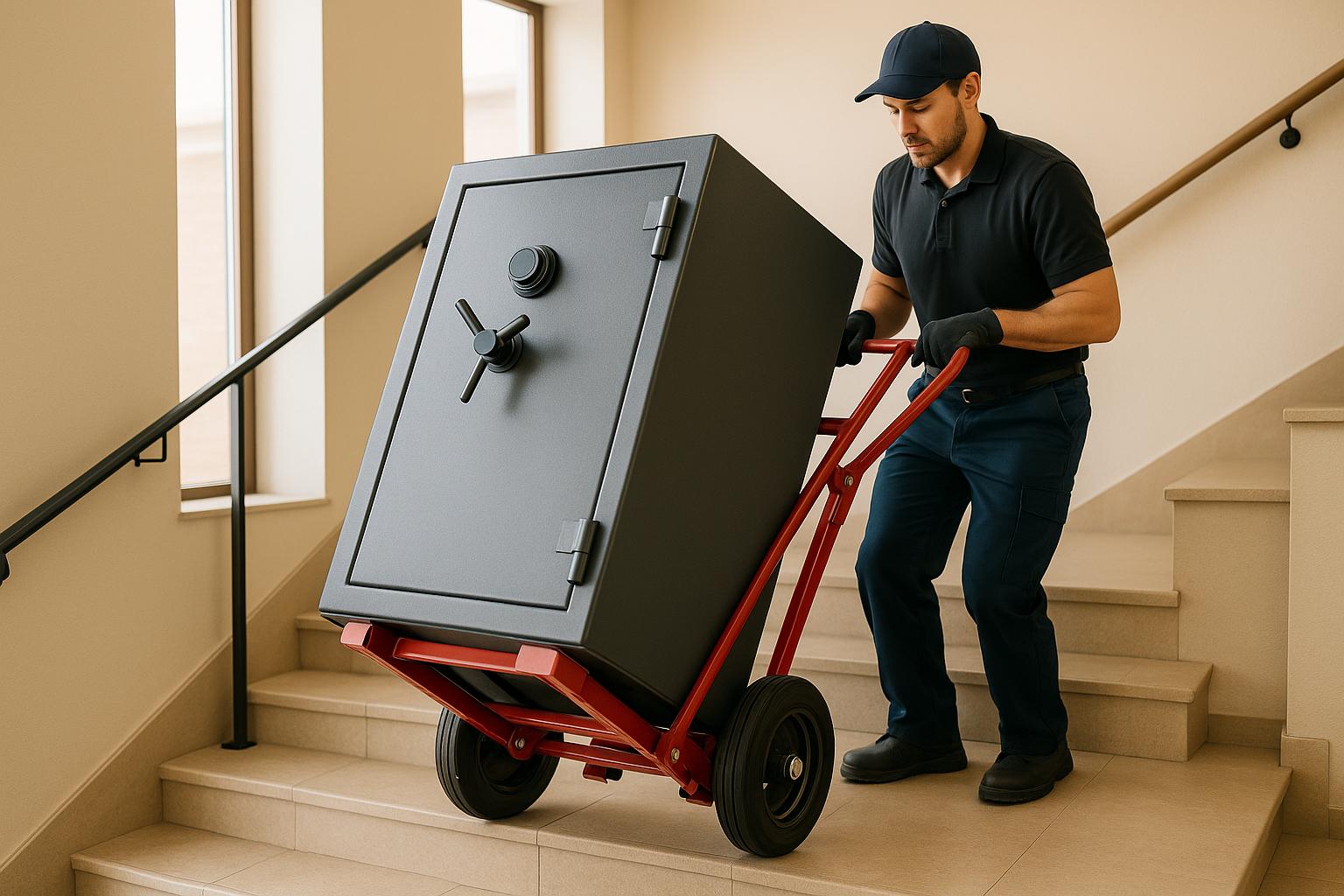
How to Move Safes and Vaults Safely
Moving a safe or vault is challenging due to their extreme weight, awkward shapes, and the risk of injury or property damage. Safes can weigh anywhere from 200 to over 3,000 pounds, and improper handling can lead to injuries, damage to floors or walls, or even compromise the safe's security features.
Here’s how you can prepare:
- Understand the Safe Type: Weight and installation method determine the tools and steps required. Freestanding safes like gun safes need heavy-duty dollies, while built-in safes may require professional extraction.
- Plan the Route: Measure doorways, hallways, and stairs. Clear obstacles and protect floors and walls with padding or runners.
- Use Proper Equipment: Heavy-duty dollies, ratchet straps, ramps, and moving blankets are essential. For heavier safes, consider stair-climbing dollies or rigging tools.
- Safety First: Always have a team, use proper lifting techniques, and wear protective gear like gloves and steel-toed boots.
- Hire Professionals for Complex Moves: For safes over 600 pounds or those in tight spaces, professional movers with specialized training and insurance are recommended.
Professional movers can handle the process efficiently, ensuring safety, protecting your property, and avoiding costly mistakes.
Types of Safes and Vaults
Common Safe and Vault Categories
Knowing the different types of safes and vaults is essential when planning a move. Safes typically fall into a few main categories, each with its own challenges:
- Gun Safes: These weigh anywhere from 300 to 1,500 lbs. Many high-end models come with TL-30 fire ratings. Their top-heavy nature makes them prone to tipping, requiring extra care during transport.
- Jewelry and Document Safes: Smaller and more compact, these safes usually weigh between 200 and 600 lbs. They’re often found in tight spaces like closets or home offices, making removal tricky.
- Commercial Security Safes: These heavy-duty safes can weigh anywhere from 500 lbs to over 2,000 lbs. Their complex locking mechanisms and multi-layer construction mean they must be handled carefully to maintain their security features.
- Built-in Floor and Wall Safes: These are lighter, typically weighing 100 to 500 lbs, but they’re anchored into concrete or wall studs. Removing them often requires professional extraction and possibly contractor support for reinstallation.
- Vault Doors: Built directly into buildings, vault doors are massive, weighing between 1,000 and 3,000 lbs. Moving them requires specialized rigging equipment due to their size and weight.
| Safe Type | Weight Range | Installation Method | Key Moving Challenges |
|---|---|---|---|
| Gun Safe | 300–1,500 lbs | Freestanding | Top-heavy, fire insulation |
| Document/Jewelry Safe | 200–600 lbs | Freestanding/Compact | Tight spaces, compact size |
| Commercial Security Safe | 500–2,000+ lbs | Freestanding/Built-in | Extreme weight, complex mechanisms |
| Floor/Wall Safe | 100–500 lbs | Built-in (anchored) | Extraction from concrete or walls |
| Vault Door | 1,000–3,000 lbs | Built-in (structural) | Requires specialized rigging equipment |
Understanding these categories helps highlight the unique strategies needed for moving each type.
How Safe Type Affects Moving Strategy
The type of safe and how it’s installed will heavily influence how it’s moved. Freestanding safes, like gun safes or document safes, often require heavy-duty dollies, straps, and a team of helpers. Professional movers typically use specialized tools to handle these safely.
Built-in safes, on the other hand, demand a completely different approach. Floor safes might require cutting through concrete, while wall safes need to be carefully removed from studs. Both processes often involve contractors and carry a risk of property damage if not done correctly. Additionally, safes with thicker steel or advanced fireproof insulation are more vulnerable to damage if tipped or dropped, which could void warranties or reduce their protective capabilities.
Weight distribution also plays a big role. Gun safes, for example, are top-heavy and need extra stabilization. Commercial safes require reinforced dollies and additional manpower, while vault doors often demand mechanical aids, temporary rails, or steel ramps rated to handle over 2,500 lbs. Professional movers assess factors like weight, dimensions, construction, and the layout of the property (e.g., stairs, doorways, and flooring) to determine the best approach.
For safes over 600 lbs, built-in models, or those needing disassembly, experts strongly recommend hiring professionals. Attempting a DIY move in these cases can lead to serious risks. Websites like ConsumersAdvisors.com can connect you with experienced movers and offer expert advice for tackling complex safe relocations.
Safe Moving 101: Tips, Tricks, and Technique
Getting Ready Before the Move
Proper preparation is key when relocating heavy and secure items like safes. A well-thought-out plan can help minimize risks, prevent damage, and ensure a smoother process. Start by measuring spaces, securing the safe, and protecting your property.
Measuring Spaces and Planning Your Route
Before moving a safe, take precise measurements. Begin with the safe itself, including any handles or protrusions, and add 2–3 inches for padding and maneuverability.
Next, measure all doorways, hallways, staircases, and other tight spaces the safe will pass through - both at your current location and the destination. Pay attention to door frame widths, ceiling heights, and stair widths to ensure the safe and equipment can fit through comfortably.
Walk through the planned route to identify potential obstacles. Remove furniture, rugs, and decorations that might get in the way. Check for low-hanging light fixtures, sharp turns, or uneven flooring. If stairs are involved, measure the depth of each step and the vertical clearance above them to avoid surprises during the move.
Once measurements are complete and the route is clear, you can focus on getting the safe itself ready.
Preparing and Securing Your Safe
Start by emptying the safe. Remove all valuables, such as firearms, jewelry, documents, and cash. Not only does this lighten the load, but it also prevents items from getting damaged or shifting during transport. Keep in mind that most moving companies don’t insure valuables left inside the safe, so transporting them separately is a safer bet.
Secure the safe door by locking it tightly. An unlocked door can swing open during the move, potentially causing injuries or damaging the hinges and locking mechanism. Double-check the lock to ensure it’s secure.
Wrap the safe in moving blankets and secure them with heavy-duty straps. This helps prevent scratches or dents during transit, especially on the corners and edges, which are more prone to damage. Label the safe with its weight and dimensions using removable tags - this can help movers plan and handle it more effectively.
With the safe secured, the next step is to protect your home during the move.
Protecting Your Home and Property
Moving a heavy safe can take a toll on your floors, walls, and door frames. Use runners, plywood sheets, or moving mats to shield your flooring, especially if it’s hardwood, from scratches or dents caused by the safe or moving equipment.
For walls and door frames, corner guards and temporary padding are invaluable. Even experienced movers can accidentally bump walls while maneuvering a large safe, and these protective measures can save you from costly repairs to drywall, paint, or trim.
Clear the moving path of any loose or fragile items. Take down wall decorations, secure carpets, and move breakables out of the way. Remember, a team moving a large safe will need more space than you might initially expect.
While professional movers often bring their own protective materials, it’s smart to have some on hand as a backup. For example, steel loading ramps used by movers can handle heavy loads but may leave marks on unprotected surfaces, so having extra floor protection is a good idea.
Moving Equipment and Safety Rules
When it comes to moving a heavy safe, having the right equipment and following strict safety rules isn't just helpful - it's absolutely necessary. Without proper tools and precautions, the risk of injury or damage to property skyrockets.
Tools You Need for Safe Moving
The backbone of any safe-moving operation is heavy-duty dollies. For safes weighing up to 600 pounds, a standard appliance dolly might work on flat, even surfaces. However, for anything heavier, you'll need specialized gear. If stairs are involved, stair-climbing dollies are a must. Battery-assisted models, in particular, help ensure smooth and controlled movement.
Ratchet straps are another essential. They keep the safe securely in place during transport and should always have a weight rating well above the safe’s total weight.
When loading the safe onto a truck, loading ramps come into play. These ramps must be rated to handle not just the safe’s weight but also the added forces from movement. For example, a 1,000-pound safe should use ramps rated for at least 1,200 to 1,500 pounds. Steel ramps are generally preferred for heavier loads because they offer better stability and distribute weight more evenly than aluminum ones.
For particularly tricky moves, rigging equipment can make all the difference. Tools like Johnson Bars allow for precise positioning, while chain hoists can lift or lower safes in tight spaces. If structural support is needed, beam clamps can secure rigging points to beams or other sturdy elements.
To protect the safe’s finish and cushion it from impacts, moving blankets are vital. Thick, quilted blankets work best and should be secured with straps to prevent slipping. If you're moving across uneven terrain or outdoor areas, consider using pneumatic wheel systems, which offer better mobility than standard dolly wheels.
Here’s a quick breakdown of essential equipment:
| Equipment Type | Weight Capacity | Best Use Case | Typical Rental Cost |
|---|---|---|---|
| Appliance Dolly | Up to 600 lbs | Flat surfaces, small safes | $20–$40/day |
| Stair-Climbing Dolly | 1,000+ lbs | Stairs, heavy safes | $60–$100/day |
| Steel Loading Ramps | 1,500+ lbs | Loading into trucks | $30–$60/day |
| Ratchet Straps | Varies | Securing during transport | $10–$30 each |
Once you’ve got the right tools, the next step is ensuring your team follows strict safety guidelines to avoid accidents.
Safety Rules for Moving Teams
Moving a safe is never a solo job. Even small safes require at least two movers, and larger ones often need three or more. This is critical because overexertion accounts for nearly 24% of moving-related injuries[1].
Lifting properly is non-negotiable. Always lift with your legs, not your back, and keep the safe close to your body to maintain balance and reduce strain. Assign a leader to give clear commands like "lift", "move", or "set down" to ensure everyone moves in sync and avoids accidents caused by miscommunication.
Protective gear is a must for every team member. Steel-toed boots protect feet from crushing injuries, gloves improve grip and shield hands from sharp edges, and back braces provide extra support, especially for anyone with a history of back problems.
Follow the manufacturer’s guidelines for transport angles. Most safes should remain upright to prevent internal damage or misalignment of parts like doors or locking mechanisms. Tilting the safe beyond the recommended angle can lead to costly repairs.
Before starting the move, establish emergency procedures. Everyone on the team should know what to do if the safe tips or if someone gets injured. A clear evacuation plan and easily accessible first aid supplies can make a big difference in an emergency.
Regular safety check-ins during the move help keep everyone focused. Fatigue is a major factor in accidents, so taking breaks every 30–45 minutes is a smart way to reduce risk. If anyone feels unsafe or unable to continue, stop immediately and reassess the situation.
One documented case involving a 1,500-pound safe underscores the importance of proper equipment and a well-coordinated team. Professional movers often follow OSHA safety certifications or equivalent training, which covers lifting techniques, equipment operation, and emergency response. This level of preparation can prevent serious injuries and costly mistakes.
sbb-itb-be87134
How to Move a Safe Step by Step
With the right equipment and safety measures in place, you're ready to tackle the process of moving your safe. This requires careful planning and precision at every step.
Preparing the Moving Path
Before you start, make sure the entire path from the safe's current location to the moving truck is clear. Remove furniture, rugs, decorations, or anything else that might get in the way. Pay close attention to doorways - measure them and compare their dimensions to your safe to ensure it will fit through.
To protect your floors and walls, use moving blankets or plywood. Hardwood floors can be safeguarded with these materials to prevent scratches or dents, while padding on walls can help avoid scuffs, especially around tight corners.
If the space is tight, you might need to remove doors from their hinges to gain a few extra inches of clearance. Those small adjustments can save you from a frustrating and potentially damaging situation. Always double-check measurements - it's better to be sure than to get stuck halfway through.
If stairs are part of the route, ensure safety by installing temporary railings or grip points. Also, confirm that each step can handle the combined weight of the safe and your equipment. For basement moves, make sure the stairwell is well-lit to avoid accidents.
Once the path is ready and measured, you can move on to lifting and loading the safe.
Lifting and Loading the Safe
With your preparation complete, it's time to lift and load the safe. Start by locking the safe door and securing it with straps or tape to keep it from swinging open during the move. An open door can throw off the balance, increasing the risk of injury.
Use furniture sliders to help position the safe onto a heavy-duty dolly. When tilting the safe onto the dolly, assign one person to guide the dolly while others control the safe's movement. Always keep the safe upright - most manufacturers warn against laying it on its back or side, as this can cause alignment issues or internal damage[1][3].
Secure the safe to the dolly with ratchet straps, making sure the straps are rated well above the safe's weight. This ensures they can handle the forces involved during the move.
For loading, rent a truck with a ramp or lift gate to make the process easier[1]. Avoid using standard pickup tailgates, as they aren't designed to handle heavy loads. Additionally, confirm that any ramp you use can support the safe's weight safely.
Moving and Installing at New Location
After the safe is loaded, focus on transporting it securely and installing it in its new location. Use ratchet straps to secure the safe in the moving truck, preferably positioning it against the front wall with padding to minimize movement during transit[1][2]. This extra precaution helps protect the safe from sudden stops.
When unloading, keep the safe upright and use a stair-climbing dolly for any stairs. In tight spaces, plan the route carefully and remove doors if needed. If you're moving the safe to a basement, use controlled descent techniques and consider temporary railings for added safety[3]. For particularly difficult moves, such as navigating spiral staircases, professionals may need to use rigging equipment or beam clamps for support[3].
At the destination, unload the safe using ramps and dollies, and place it on a stable, level surface away from high-traffic areas[2]. Check that the floor can handle the safe's weight - concrete is ideal, but wooden floors might need reinforcement.
Position the safe in its final spot while it's still on the dolly. Avoid sliding or dragging it across the floor, as this can cause damage or injury. If the safe needs to be bolted down, follow the manufacturer's guidelines or hire a professional installer.
Once the safe is in place, ensure it opens and closes properly. The move could have affected the door's alignment, so if you notice any issues with the locking mechanism or fit, contact a safe technician before using it for storage.
If your safe is connected to an alarm or security system, reconnect it and test all electronic components to confirm they weren't damaged during the move. Check your user manual for instructions if any digital locks need recalibration.
For safes weighing over 600 pounds or moves involving multiple flights of stairs, hiring professional movers with specialized training and equipment is highly recommended[1][3]. Services available through ConsumersAdvisors.com can connect you with trusted professionals who ensure your safe reaches its new location securely and without hassle.
When to Use Professional Safe Movers
Moving a safe on your own might seem like a budget-friendly idea, but when you factor in the sheer weight and complexity of these items, the risks of damage or injury can outweigh the savings. That’s where professional movers come in - they handle the job efficiently and safely, saving you from potential headaches.
Why Professional Movers Are Essential
If your safe weighs more than 300 pounds or is a TL-15 or TL-30 rated commercial model, it’s time to call in the experts. These professionals are trained to handle heavy-duty safes and vaults using specialized tools like heavy-duty dollies, leverage devices, and stair-climbing equipment. They can navigate tight spaces and tricky routes that would be nearly impossible with basic tools[3].
One major advantage of hiring professionals is insurance coverage. Unlike a DIY move, where you’re on the hook for any damage, professional movers are insured, offering peace of mind in case of accidental damage. Their expertise, combined with the right equipment, ensures your safe is moved without risking injury or property damage.
Professional movers don’t just rely on brute strength - they’re trained extensively in proper lifting techniques, teamwork, and emergency procedures. Regular safety meetings keep them up to date on best practices, which significantly lowers the risk of injury. This is especially important because improper handling of safes is a leading cause of moving-related injuries[4].
Before the move, professionals conduct a thorough assessment of the space, mapping out the safest route and identifying potential obstacles. They also use protective materials to safeguard walls, floors, and doorways. For example, a team once relocated a 1,500-pound TL-30 rated safe from a basement with a spiral staircase. With a detailed plan, stair-climbing dollies, and mechanical systems, they completed the move without damaging the property or compromising the safe’s security features[3].
Finding Movers Through ConsumersAdvisors.com

If you’re ready to hire professionals, ConsumersAdvisors.com makes it easy to find qualified safe movers. The platform connects you with licensed and experienced companies, allowing you to compare quotes tailored specifically for safe and vault relocations. These movers come equipped with the tools, training, and insurance needed to handle your heavy, high-value items.
When requesting quotes, be sure to provide details like your safe’s weight, dimensions, installation specifics, and any obstacles along the route. This ensures movers can give you accurate estimates and bring the right equipment for the job.
The cost of professional safe moving typically starts at $200–$500 for smaller safes and can exceed $1,000 for larger or more complex moves, depending on factors like weight, size, distance, and difficulty[4]. While this might seem steep compared to a DIY approach, the investment pays off by reducing the risks of injury, property damage, and harm to your safe. ConsumersAdvisors.com also features reviews to help you find movers with proven expertise. For safes requiring special installation - like embedded units or vault doors - the platform can connect you with professionals who handle setup, ensuring your safe is properly positioned, leveled, and secured in its new location.
Final Tips for Safe Moving Success
Successfully moving a safe takes careful planning and attention to detail. Start by making sure the safe is completely empty, and clearly label it with its weight and dimensions so everyone involved knows what they’re dealing with. Once the safe is prepped, double-check your equipment. Secure the door with heavy-duty tape or straps to keep it from swinging open during the move, and inspect all tools - like dollies, straps, and padding - to ensure they’re in good condition.
Make sure protective mats and padding stay in place along the moving path. If you’re dealing with stairs or tight spaces, temporary railings or ramps can help guide the safe through safely. Taking these precautions can often save you from needing repair materials later.
Clear communication and strict safety measures are key to avoiding injuries. Use clear hand signals, wear protective gear such as steel-toed boots and gloves, and always have at least three people working together to move the safe. Before you begin, review emergency procedures with your team to be prepared for any unexpected situations.
For instance, Georgetown Moving and Storage has successfully handled safes weighing over 1,200 pounds for government agencies by following strict preparation protocols[5]. Their process includes measuring spaces twice, securing the safe with heavy-duty straps during transit, and conducting safety briefings before every move.
It’s also smart to have extra help on standby and keep first aid supplies within reach. Walk through your moving route ahead of time to spot potential hazards like loose carpets, narrow doorways, or uneven floors. Keep contact information for professional movers or emergency services handy, just in case.
Once the safe is in its new location, check that it’s level, test all locks and alarms, and document the entire process for insurance or warranty purposes. If you’re comparing professional moving costs, sites like ConsumersAdvisors.com can help you gather accurate quotes.
Finally, timing is critical. Plan your move to minimize the time your valuables are unsecured. Whether you’re doing it yourself or hiring professionals, always follow the manufacturer’s guidelines for transport angles and securing methods. These steps will help protect your safe’s locking mechanisms and security features during the relocation process.
FAQs
What precautions should I take when moving a safe or vault by myself?
Moving a safe or vault on your own isn’t something to take lightly. It requires careful preparation to avoid injuries or accidental damage. Begin by evaluating the safe’s size and weight to determine what equipment you’ll need. Essential tools include a heavy-duty dolly, moving straps, and a good pair of protective gloves. Before starting, make sure the pathway is completely clear of obstacles to ensure a smooth and safe transport. Also, secure the safe firmly to prevent it from tipping over during the move.
If this seems too overwhelming or hazardous, it’s worth considering professional help. Services like ConsumersAdvisors.com can connect you with licensed movers who are experienced in handling heavy items like safes and vaults. These professionals often offer full-service options, including packing and coordinating with trusted carriers, making the entire process safer and far less stressful.
How do I know if I need professional movers for my safe, and what should I consider when hiring them?
Moving a safe can be tricky, and whether you need professional movers largely depends on its size, weight, and your ability to handle the task safely. Safes are often incredibly heavy and awkward to move, especially if you're dealing with stairs or a long-distance relocation. In many cases, hiring professionals is the safest and most practical choice.
When selecting movers, focus on companies with experience in handling heavy items like safes and vaults. Make sure they are licensed, insured, and equipped to manage the job. Comparing a few options can help you find a service that fits both your needs and budget.
What tools and equipment do I need to safely move a safe or vault, and how do I choose the right ones?
Moving a safe or vault is no small task, and having the right tools is critical to ensure safety and avoid any damage. Some must-have equipment includes a heavy-duty dolly or hand truck, moving straps to maintain control, and protective padding to safeguard both the safe and your surroundings. For particularly heavy safes, tools like a pallet jack or moving sliders can make maneuvering easier by reducing friction.
The tools you choose should match the size, weight, and type of safe you're dealing with. For smaller safes, a durable hand truck with an appropriate weight capacity might be all you need. However, larger or heavier safes often demand specialized gear like hydraulic lifts or professional-grade moving dollies. Always double-check the weight rating on your equipment to ensure it can handle the load safely and securely.